Marketing feels harder in 2026.
Not because brands stopped posting.
Not because the platforms are broken.
It’s harder because the rules of the game quietly changed underneath our noses—and most people are still playing the old version.
If you run a business or a personal brand and it feels like you’re slamming your head into a wall trying to make social media work, you’re not alone. The good news is there is a way forward. But it starts with understanding what changed, and then adjusting how you show up.
Let’s break it down.
How Social Media Used to Work
For a long time, social media rewarded consistency.
You posted content.
A percentage of your followers saw it.
As your follower count grew, your reach grew with it.
- 100 followers → ~10 people see your content
- 1,000 followers → ~100 people see your content
Simple. Predictable. If you showed up every day, you had a decent shot at getting in front of customers.
That system is gone.
What Actually Changed
Today, platforms don’t prioritize followers.
They prioritize intent.
Instagram, TikTok, Facebook, YouTube—they’re all trying to match individual viewer interests with content they’re most likely to watch, engage with, and stay on the app for.
If someone watches workout videos, the platform will keep feeding them workout videos.
If someone engages with business content, they’ll see more of that.
Whether they follow the creator or not.
That’s because platforms are competing for attention. The longer people stay on the app, the more ads they can sell. The only way to do that is to deeply understand what each individual user wants—and give it to them.
Which means this:
Even if someone follows you, if your content doesn’t match their current interests, there’s a good chance they won’t see it.
So How Do You Get in Front of the Right People?
It comes down to two things:
- Your content has to be good
- Your content has to match real audience interests
Ask yourself:
- What questions do my customers actually have?
- What are they curious about?
- What do they care about when they’re scrolling at night, waiting for the bus, or finally sitting down after the kids are asleep?
This is where edutainment wins.
Content that educates and keeps someone engaged builds brand equity without feeling like an ad. It meets people where they already are instead of forcing them into a funnel.
Stop Chasing Views. Start Chasing Buyers.
One of the biggest mindset shifts in 2026 is this:
Less reach can actually be better.
A smaller number of views from people who can buy from you is far more valuable than massive reach from people who never will.
The goal isn’t likes, comments, or empty impressions.
The goal is trust → conversation → purchase.
That means planning content around buyer interests, not just “posting consistently.”
The AI Problem No One Wants to Talk About
There’s another shift happening at the same time.
AI is everywhere.
Feeds are filled with AI-generated videos, captions, scripts, and automation-heavy content. And while AI has a place behind the scenes, people are already feeling the fatigue.
Audiences want:
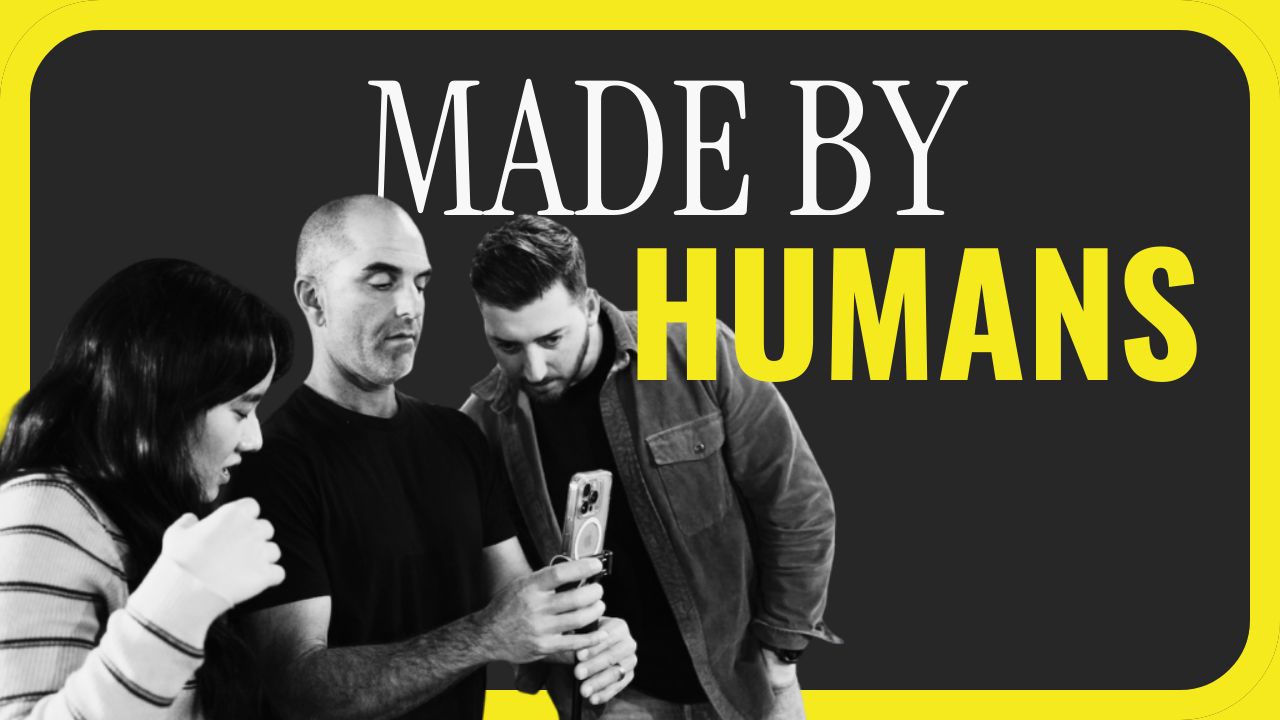
- Real people
- Real stories
- Real experiences
AI can tell a story structurally.
It cannot tell you what it felt like to live it.
It can’t describe the moment a customer smiled because you solved their problem.
It can’t replicate accountability, empathy, or care.
And it definitely can’t replace human connection.
In a world racing toward automation, the brands that win will be the ones willing to go the opposite direction.
The Unscalable Advantage
Here’s the uncomfortable truth:
The things that work best right now don’t scale easily.
- Real video with real people
- Responding to comments manually
- Genuine DMs instead of automation
- Customer service that actually feels human
That human touch is becoming the differentiator.
If someone sends me a real LinkedIn DM—not automated, not templated—it gets my attention instantly. Because almost nobody is doing that anymore.
Care is the advantage.
Where to Start Creating Better Content
If you’re wondering what to post, here’s a simple filter:
If AI can do it better than you, don’t make content about it.
Baseline how-to content is already commoditized.
Examples:
- How to set up an Instagram profile
- How to log into Gmail
- Generic step-by-step tutorials
AI and search already handle that.
Instead, take the story route.
Example
In fitness, everyone can Google “how to lose fat.”
But you can tell the story of:
- A client with only two workouts a week
- How you adapted around their schedule
- Zoom sessions, accountability, encouragement
- The emotional side of the transformation
AI can generate a workout plan.
It can’t show up on FaceTime when someone doesn’t feel like working out.
That difference is your content.
This applies to any industry:
- Personal training
- Law
- Plumbing
- Marketing agencies
- Service businesses of any kind
The human experience is the product.
Two Content Angles That Work Right Now
- Customer stories
Show what it’s actually like to work with you. The struggles, the wins, the process. - The explorer lens
Try something. Test an idea. Document the experience. Report back.
People want to see what it’s like to be in your world before they ever reach out. Content builds that initial trust so the human conversation can take over later.
The Real Goal of Social Media in 2026
Social media isn’t the finish line.
It’s the bridge.
The goal is to:
- Build trust through stories
- Start real conversations
- Deliver real value
- Turn customers into champions
That only happens when people feel something.
And feelings come from lived experience, not automation.
The Rule Going Forward
If you take one thing into 2026, make it this:
- Create the best piece of content you can
- Tell a real story
- Share what it felt like to live it
That’s the one thing AI can’t replace.
That’s what makes you human.
That’s what makes your business worth choosing.
And that’s how marketing actually works now.
—